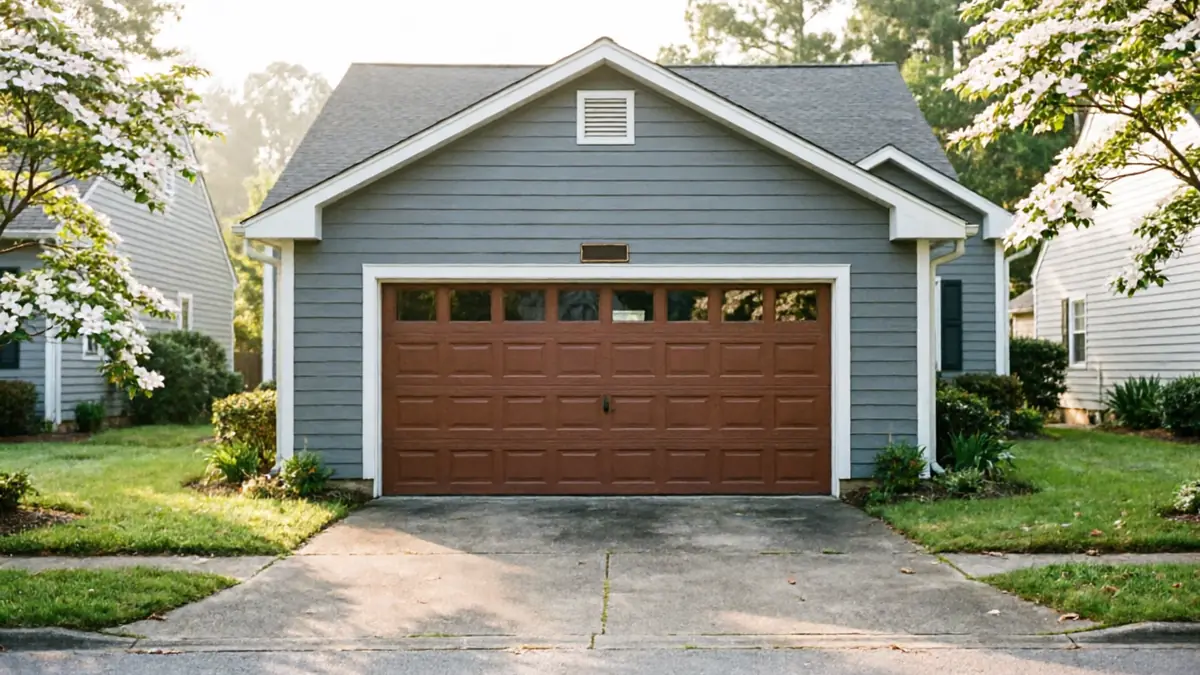
Most of the houses across this service area went up between 1990 and 2012, with a median build year around 2001, and that matters more than people think. A door that's been opening and closing since the early 2000s is now 20-plus years into a 10,000-cycle torsion spring's life, and across the 11 named areas we cover, that's a lot of original hardware still running on factory lubrication - or none at all.
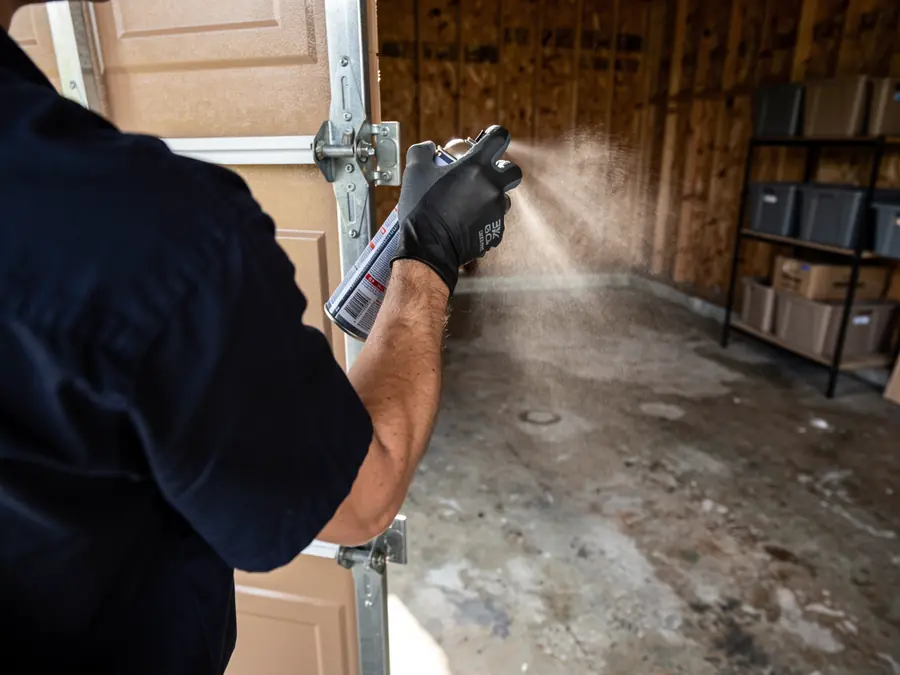
The climate band here is cold-moderate, which means real winter cold snaps and real summer humidity swings, not one or the other. That cycling - metal contracting hard in January, swelling with moisture in July - is what dries out rollers, loosens hinge screws, and turns a quiet track into one that bangs on the way up. It's not dramatic. It's just steady wear that nobody notices until the day the door won't open.
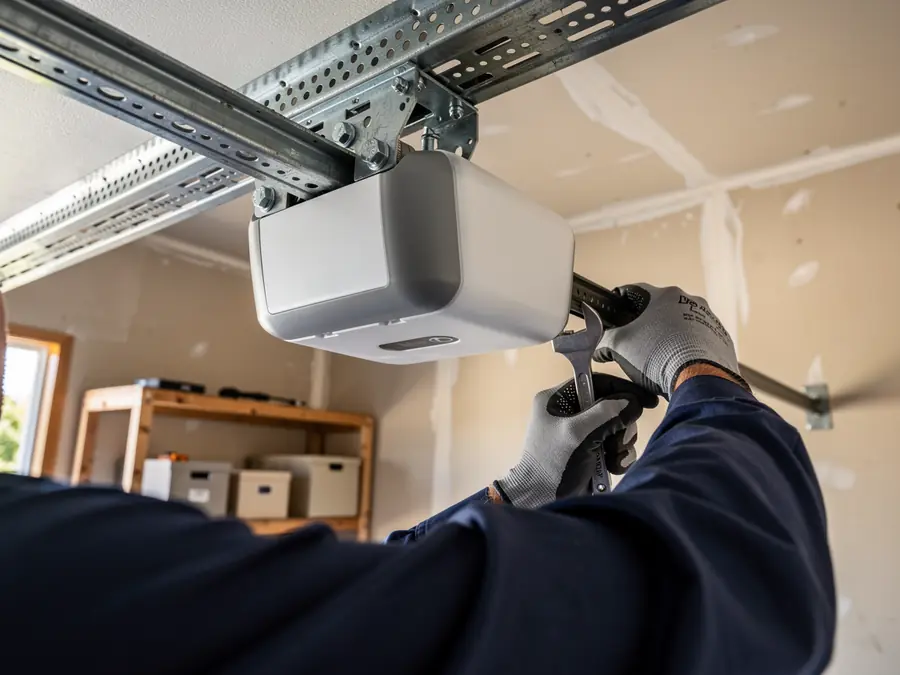
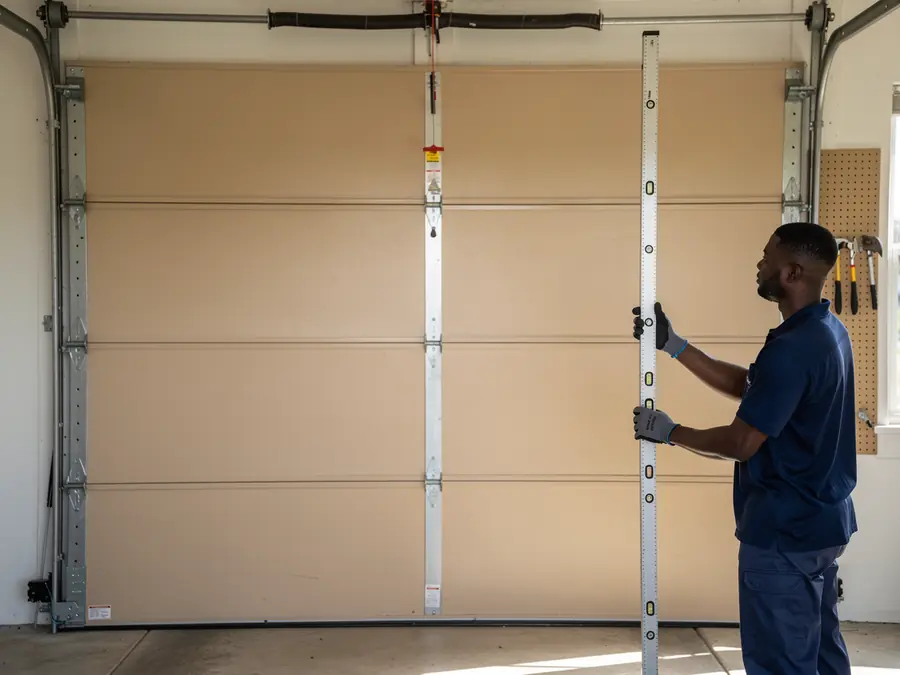
With roughly 13,729 owner-occupied houses across this service area built in that same era, we see the same failure pattern on a lot of different streets: a spring that's lost tension, a sensor that's drifted out of alignment, a track that's a quarter-inch off plumb. None of it looks urgent. All of it gets expensive if it's ignored for another five years.