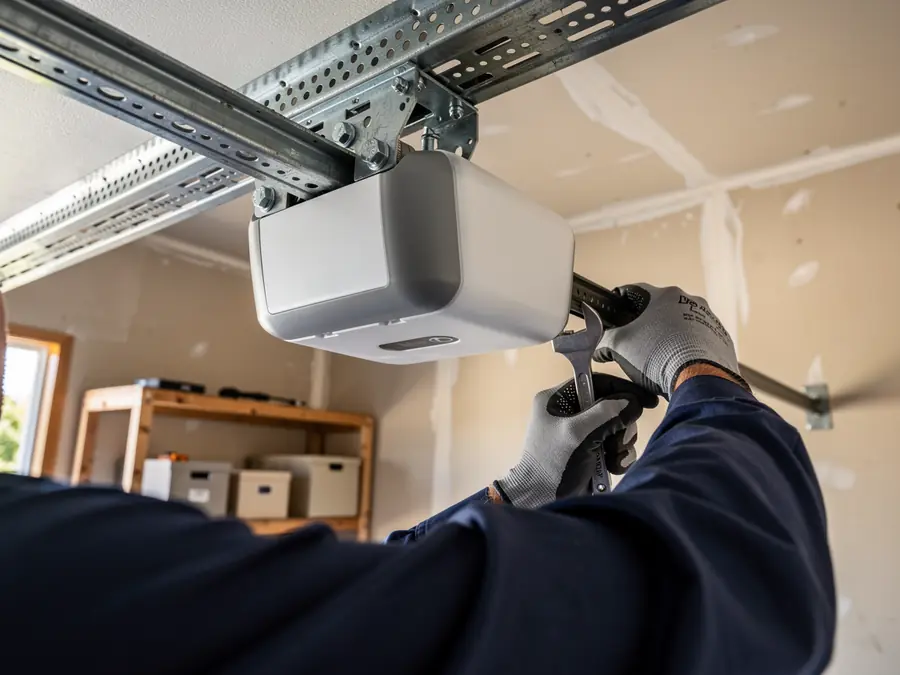
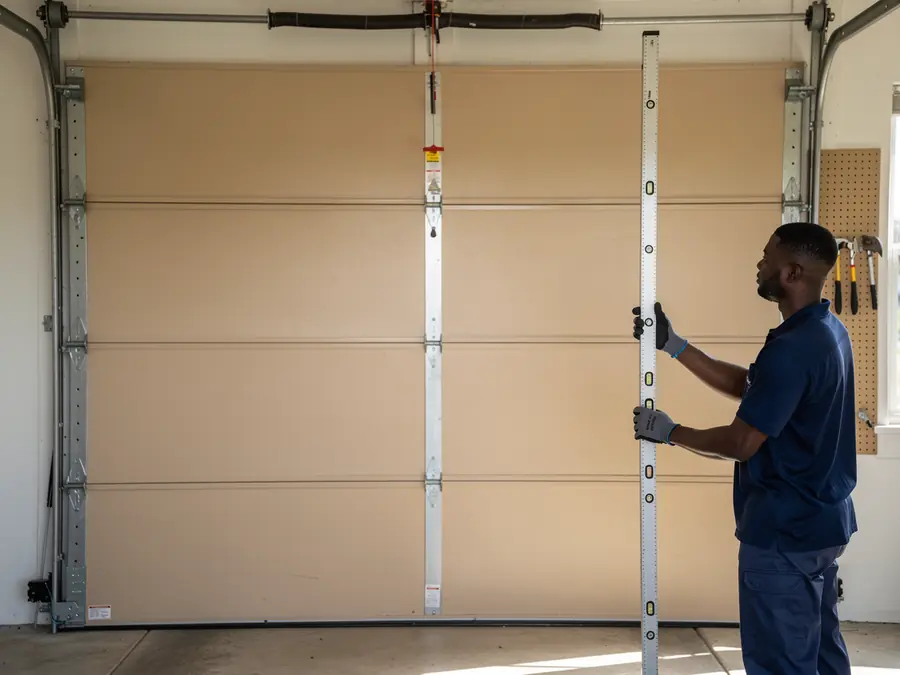
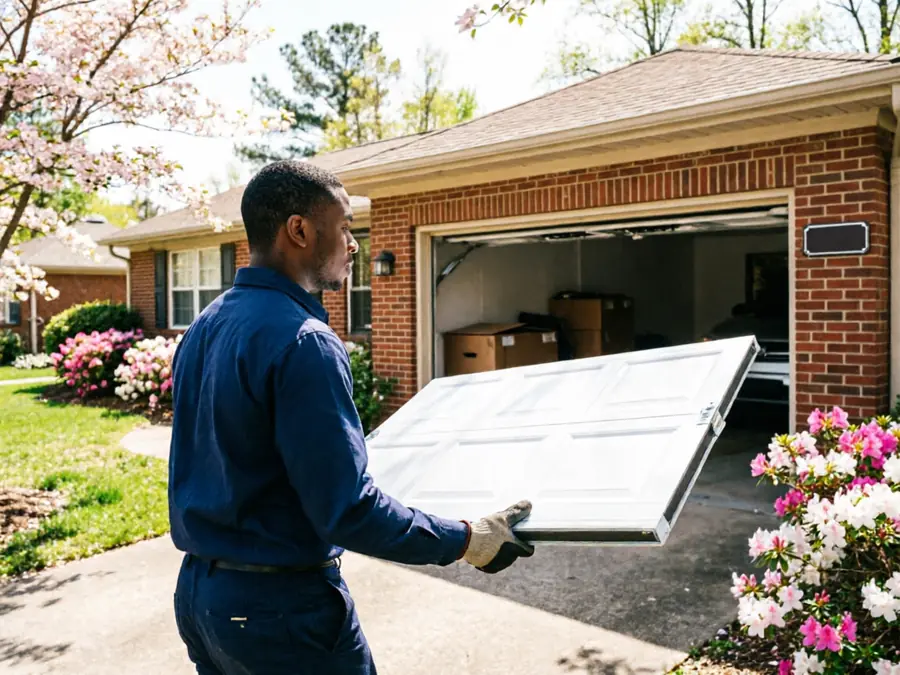
The most common mistake we see in this part of the service area isn't the opener itself - it's mismatching a new unit to an older door that's heavier than it looks. A 2009-build door with a lot of glazed panel or faux-wood overlay can weigh more than the spec sheet on a bargain opener assumes, and an underpowered motor will strain, run hot, and shorten its own life within a couple of years.
The second spot: photo-eye sensors. On homes built in the 2000s, these are usually original equipment and the brackets have shifted slightly over the years from normal vibration - enough that a new opener's more sensitive safety reversal system catches it where the old one didn't. You install the new unit, the door won't close, and the opener gets blamed for a bracket problem.
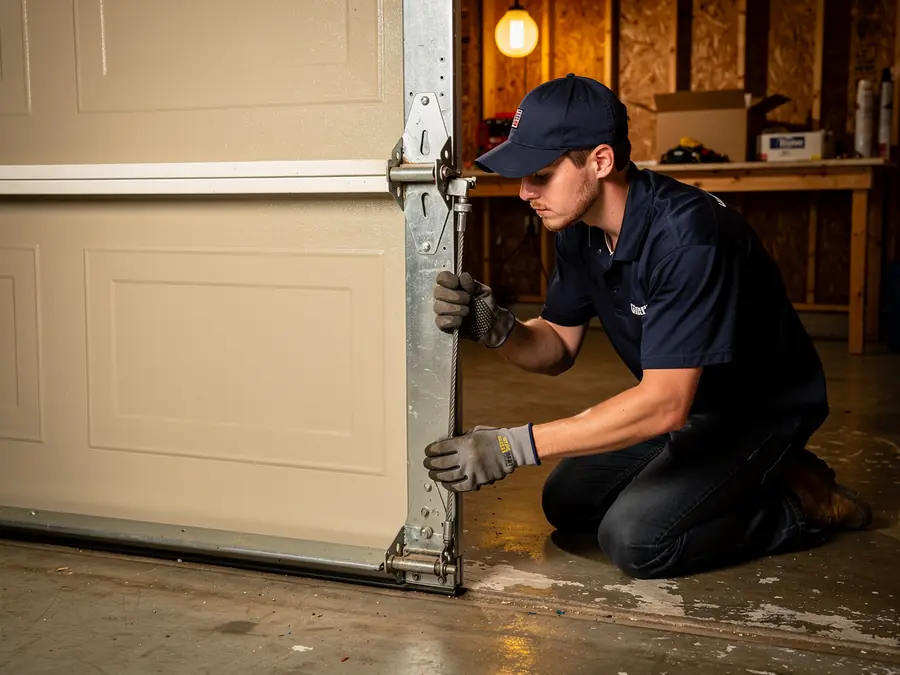
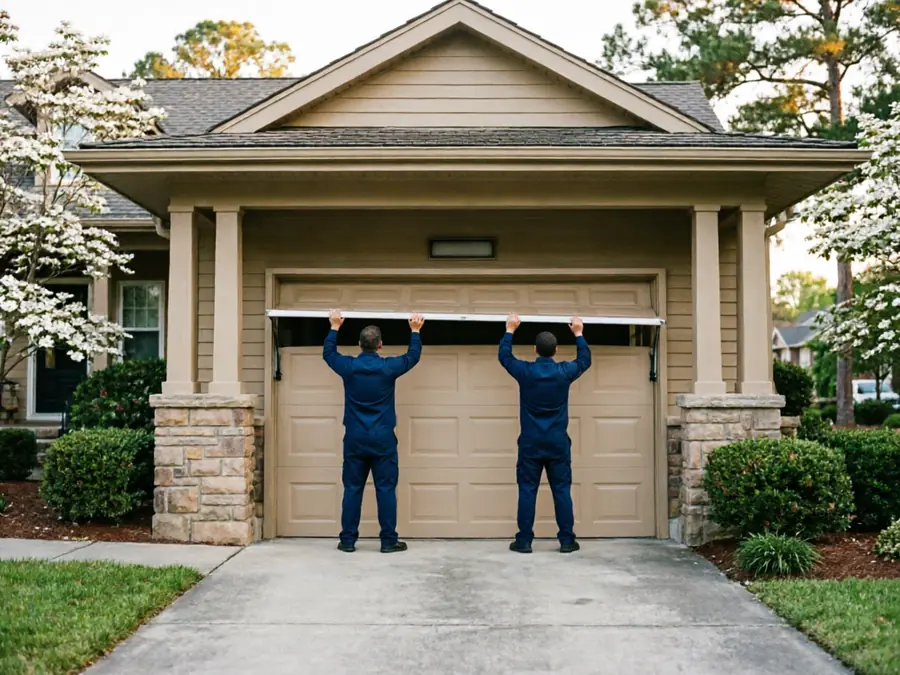
We'll say plainly: if your door panels are warped or the track is bent, a new opener on top of that is a bandage, not a fix. We'd rather tell you to deal with the door first than sell you hardware that's fighting a losing fight against bad track alignment from day one.